Isometric Architectural Model Template
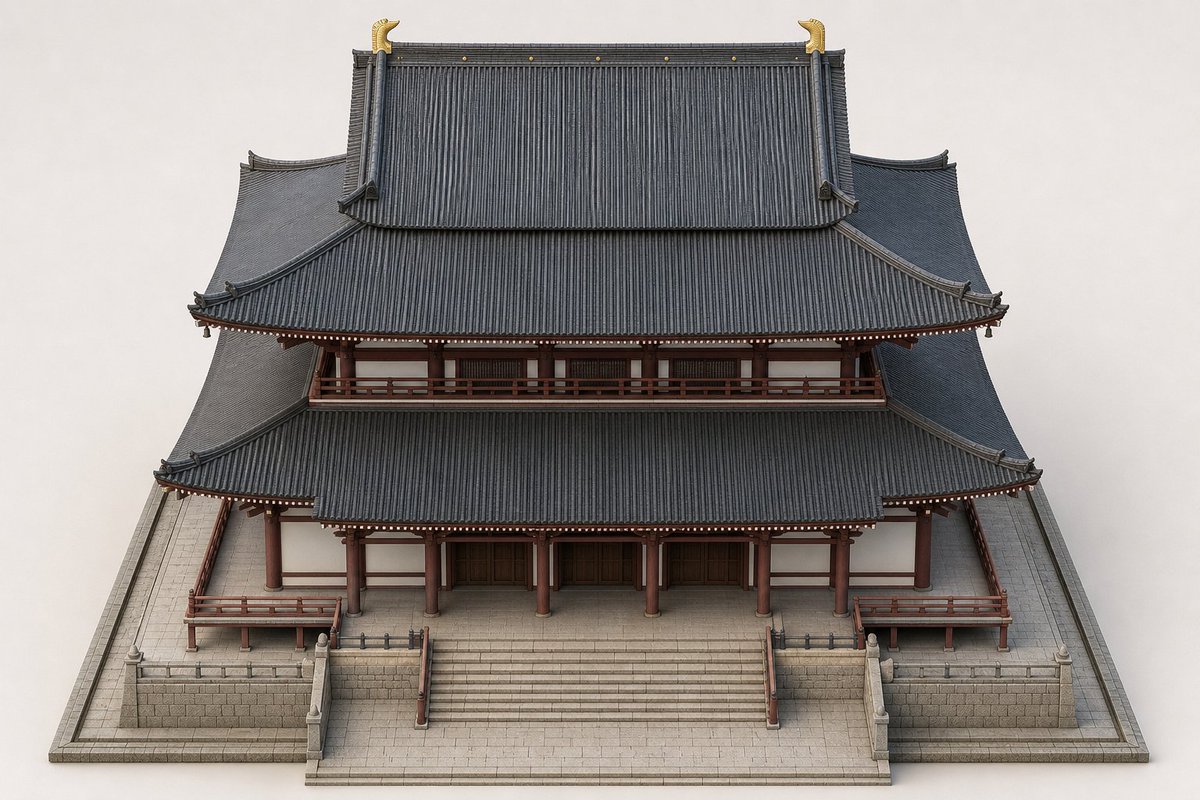
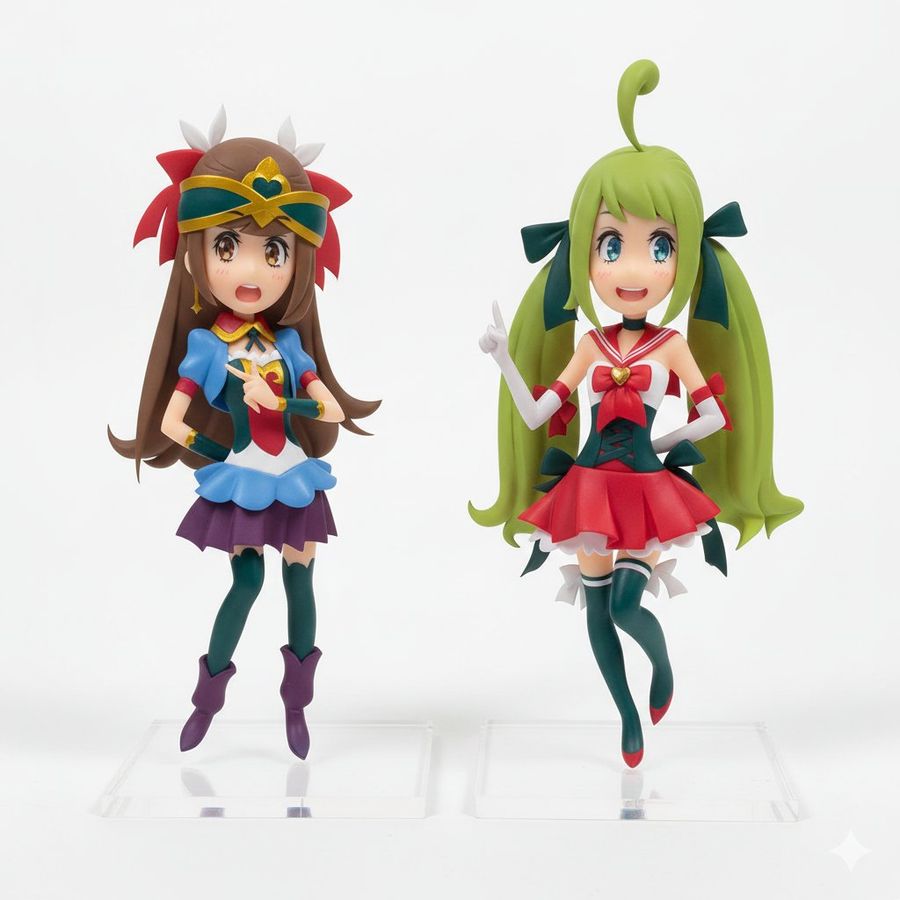
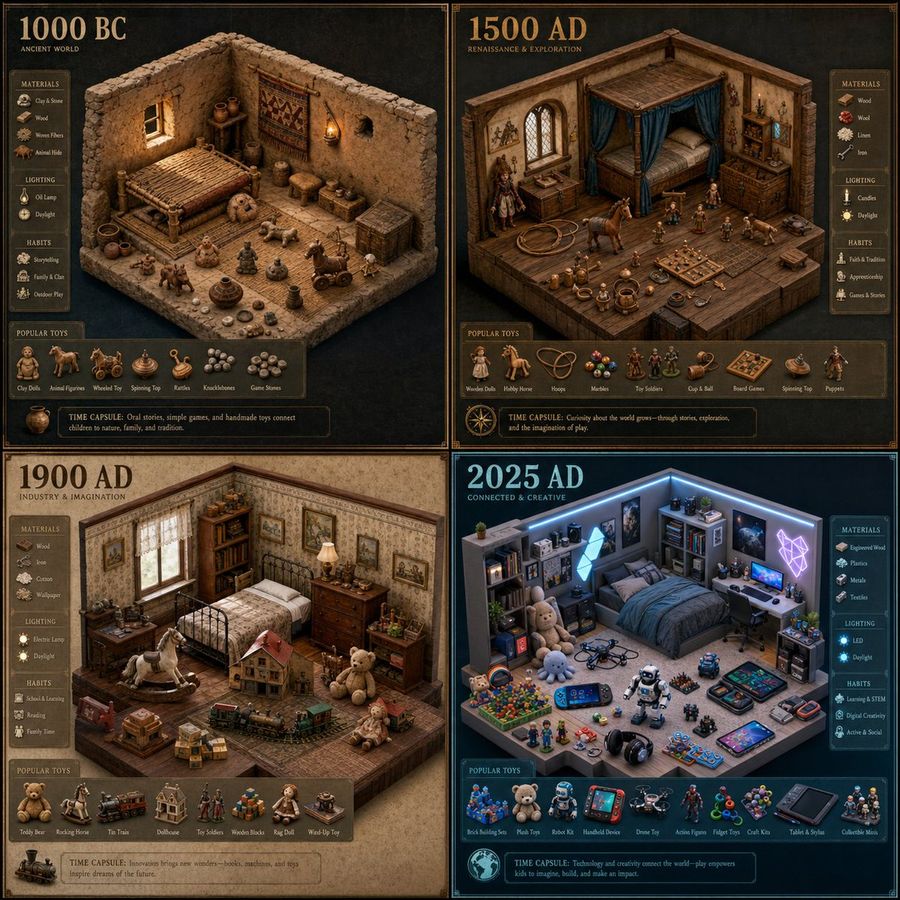
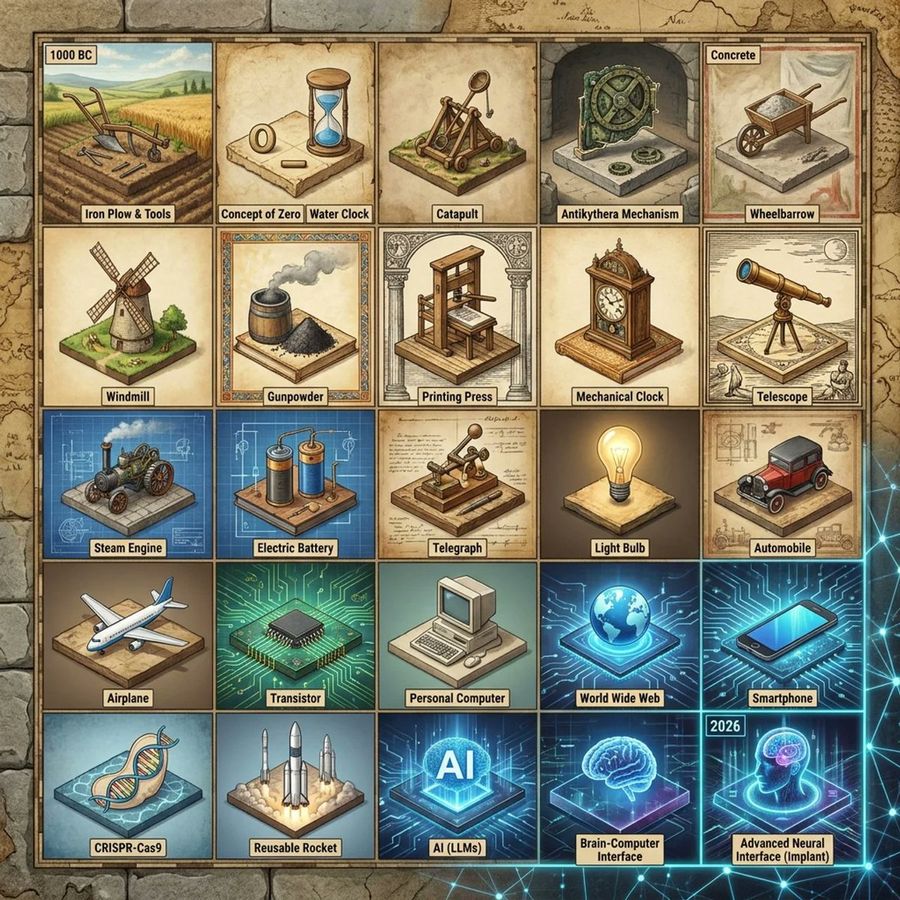
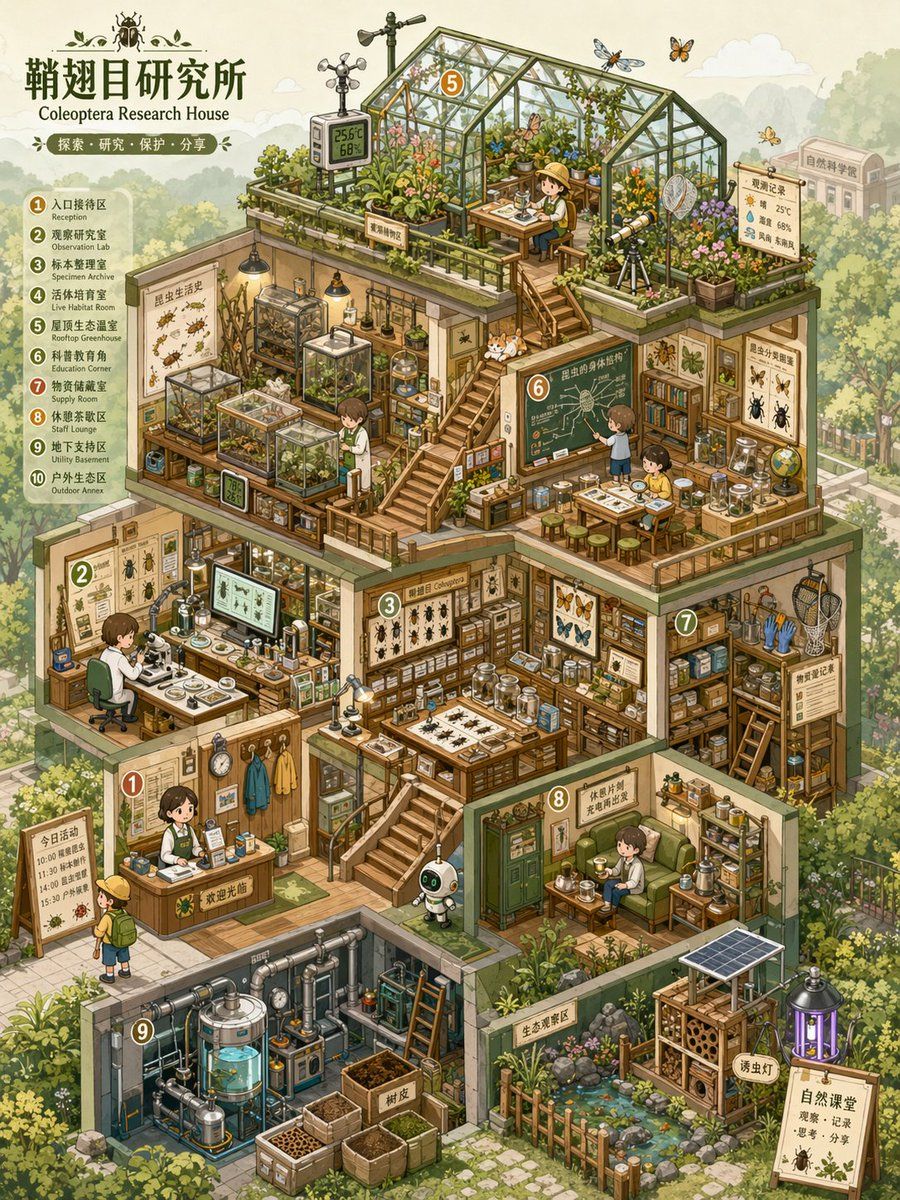
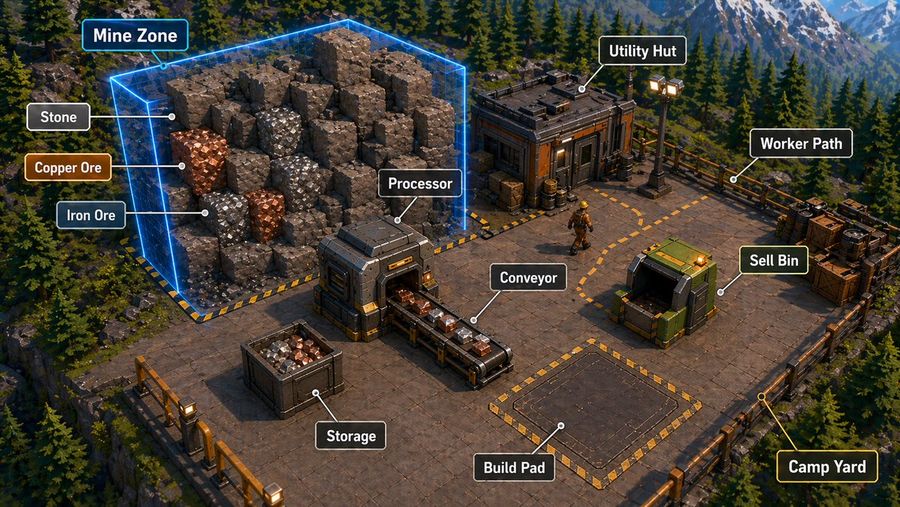
What this prompt does: Produces a 3d figurines image using GPT Image 2. Style cues: isometric, cinematic. Sourced from a verified fair-citation repository (code-littlev) and reproduced here unchanged with full attribution per the source license.
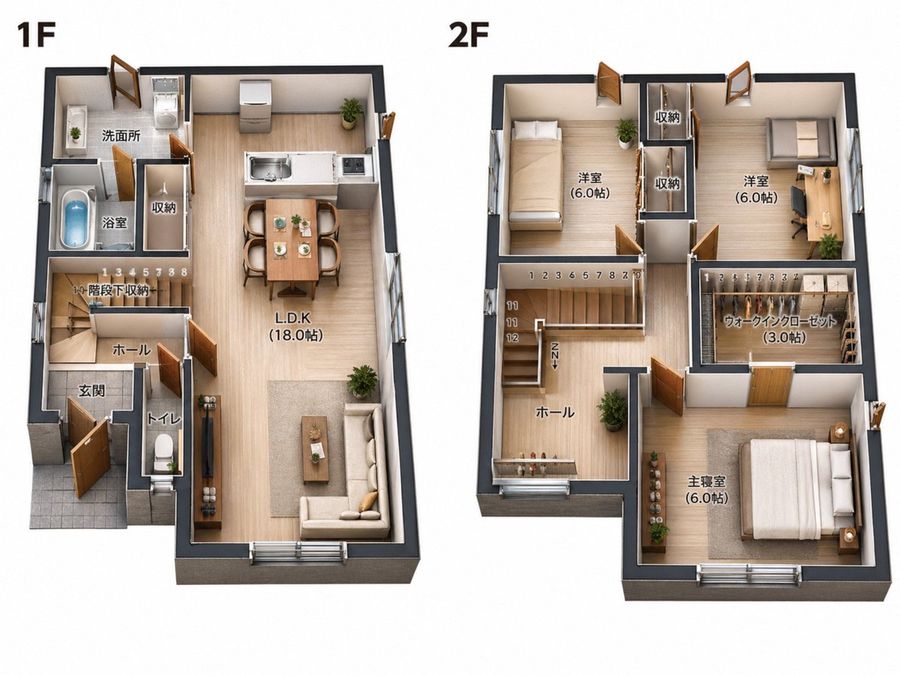
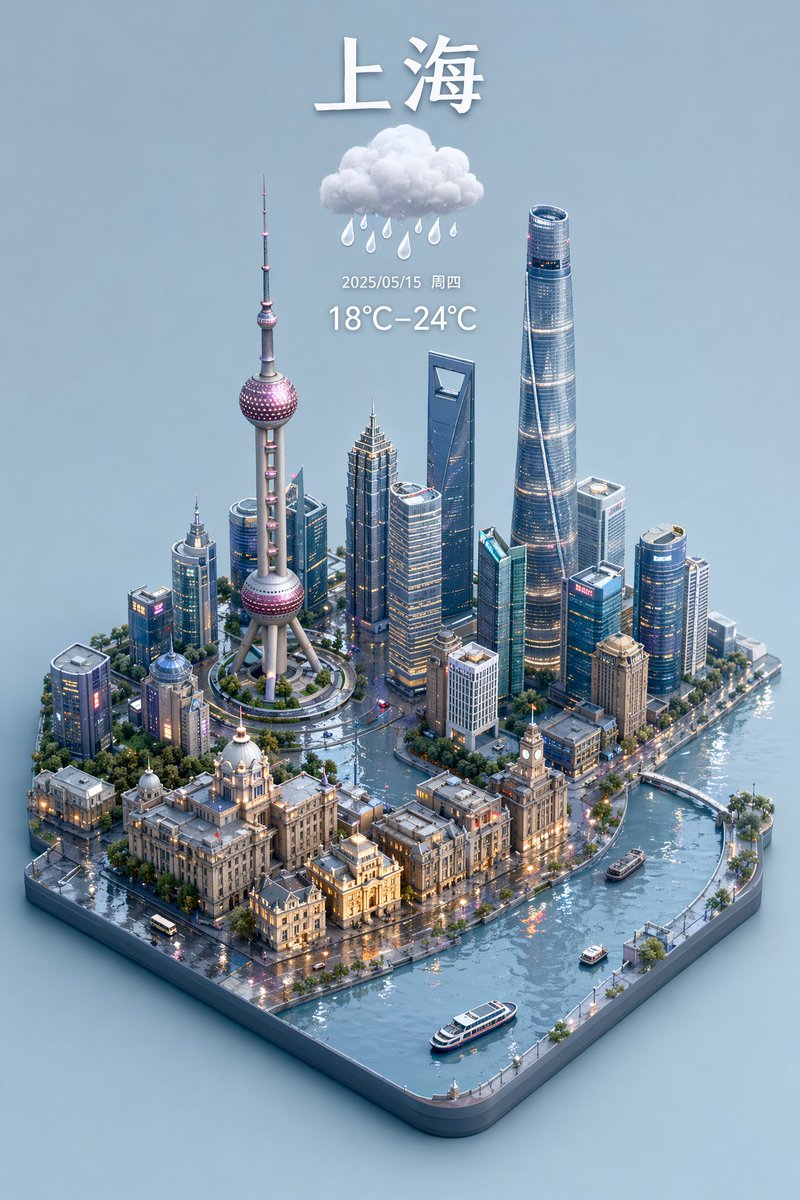
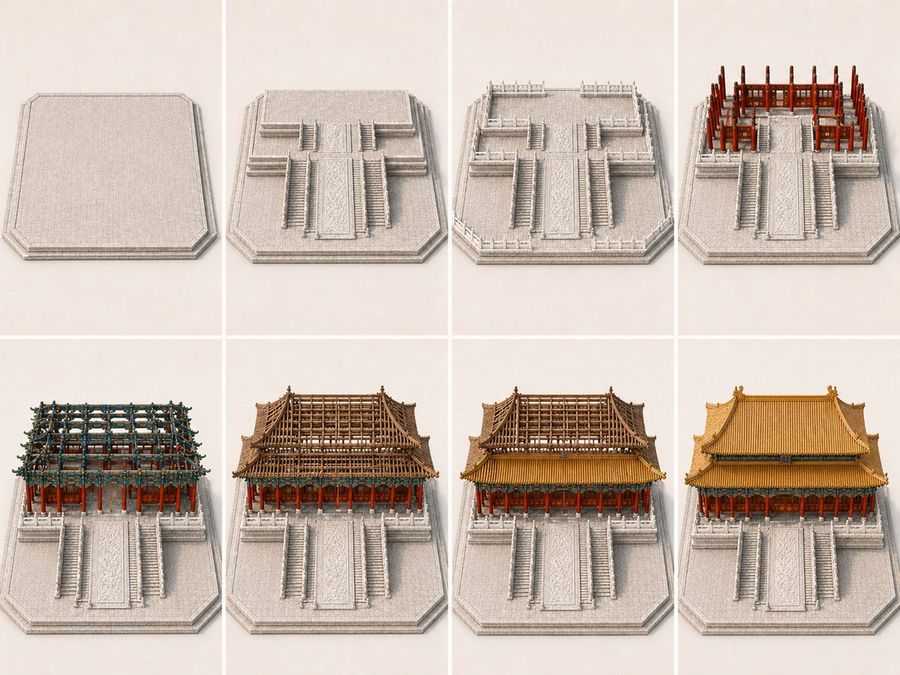
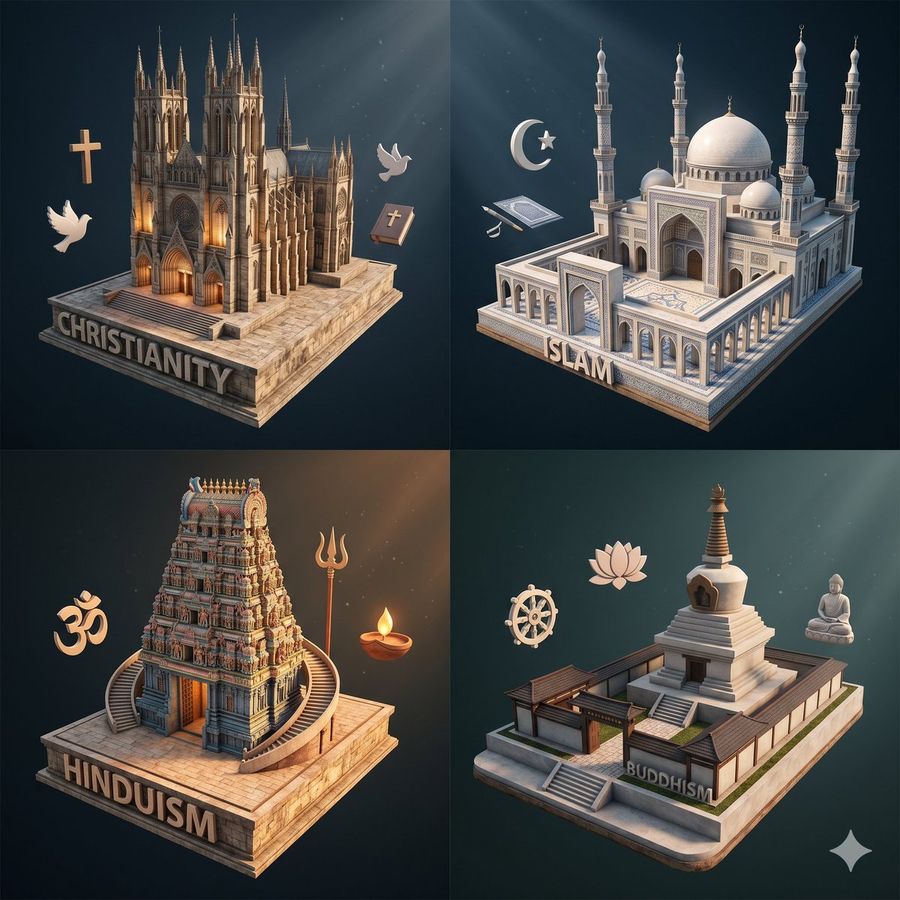
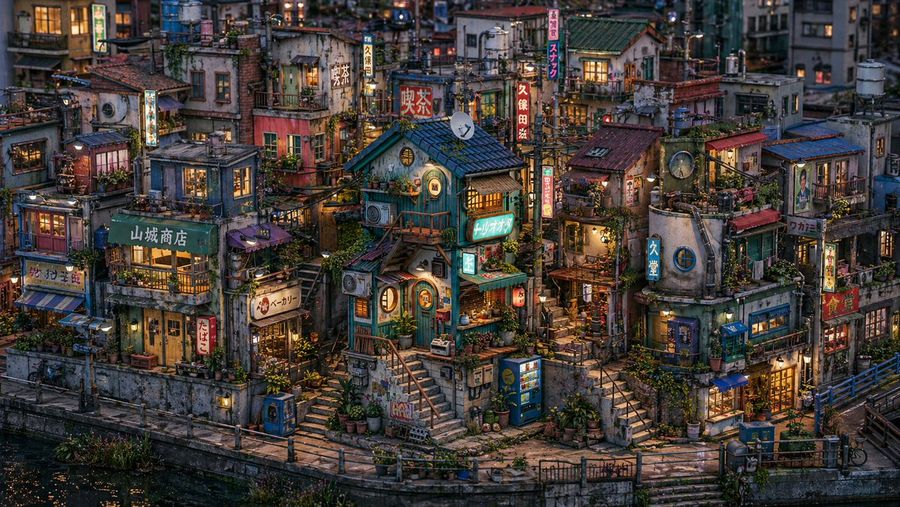
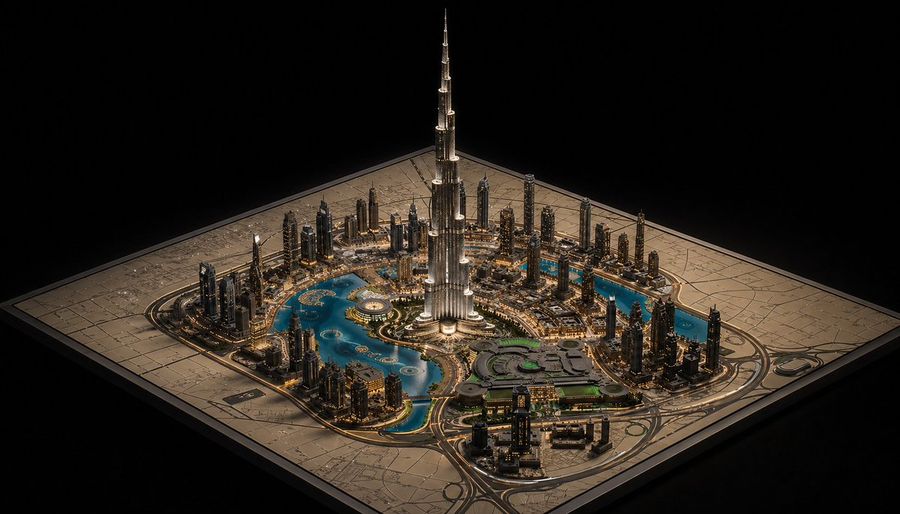
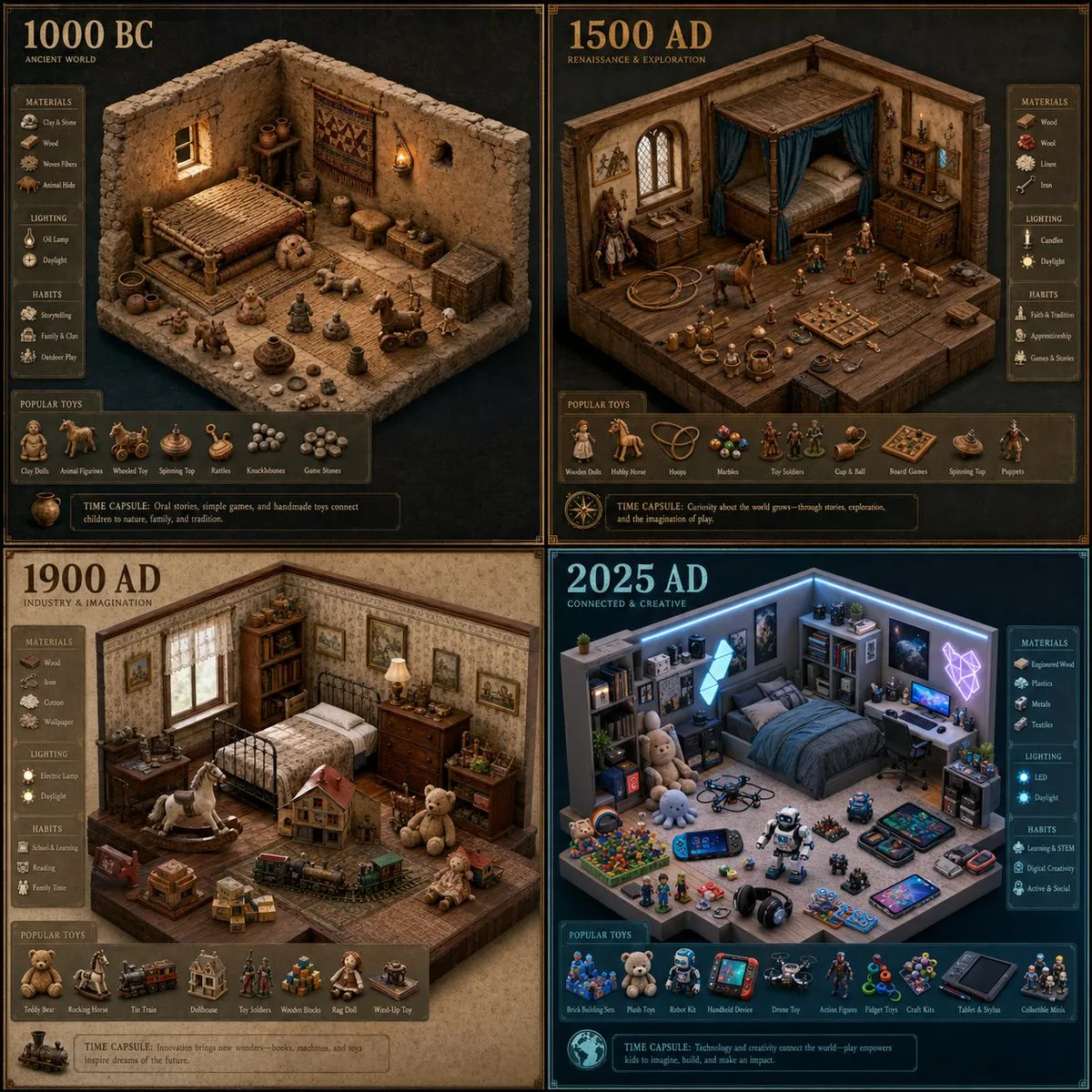
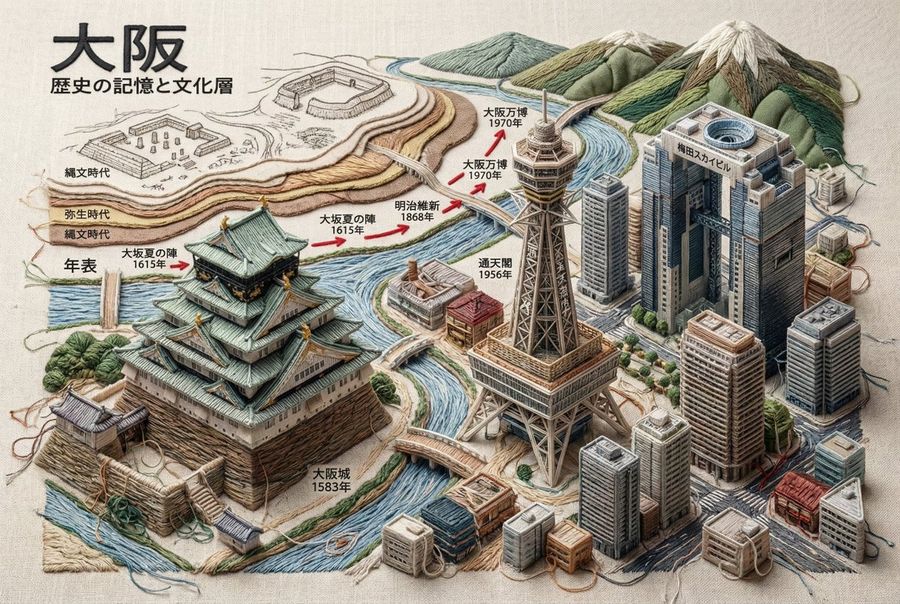
Please generate a complete model diagram of a single building for '[Building Name]'. The image should only show the building itself and its immediate basic environment, without showing irrelevant buildings, large open spaces, city backgrounds, or complex surroundings. Please highlight the building's volume, front structure, roof form, entrance, facade, platform, and steps. The perspective should be isometric top-down, the composition centered, symmetrical, and clear, like a standalone model of an ancient building. The building should occupy more than 70% of the visual area. The image should be suitable as a reference for a subsequent 'from foundation to completion' AI construction animation. Do not include people, vehicles, modern machinery, text labels, billboards, or irrelevant elements. Based on the previous '[Building Name]' single building reference image, generate a structural disassembly diagram. Please maintain the same isometric top-down perspective and composition, displaying the building separated vertically according to construction levels to clearly show the assembly relationship of each layer. Please divide into reasonable levels based on the building's characteristics: foundation or bottom base; platform, podium, steps, or base layer; column grid, walls, doors, windows, and main frame; beams, load-bearing structures, and porch structures; facades, railings, decorative components, and detailed structures; roof skeleton, roof cladding, and top structures; final external decorations and finishing components. The image should look like a high-quality architectural illustration, with each layer offset vertically but aligned on the center axis. Each layer must be clear, clean, and recognizable, suitable as a reference for a subsequent AI construction animation. Based on the previous '[Building Name]' complete model diagram and structural disassembly diagram, generate an architectural materials and components display diagram. Like a construction material list, neatly arrange the main materials and key components required for construction in the image. Each material or component should be shown as a clear physical sample or an independent component model. Based on the characteristics of Zojoji Temple, include the following types: foundation, platform, podium, step components; wooden columns, walls, main frame components; doors, windows, railings, entrances, porch components; beams, frames, support structures, and load-bearing components; roof skeleton, roof tiles, top covering layers; facade materials, decorative pieces, and finishing components; the most recognizable roof, porch, and traditional wooden structure details of the building. The image should be a clean material display board, isometric or orthogonal perspective, with all components clearly grouped, neatly arranged, and realistically textured. The overall color and material style must match the building itself. Based on the previous '[Building Name]' complete model diagram, structural disassembly diagram, and materials/components diagram, generate an 8-grid construction flow chart. Theme: The construction process of '[Building Name]' from empty foundation to complete building. Please use a unified isometric top-down perspective, unified composition, and unified lighting, keeping the building centered throughout. The image should only show the main building and necessary close-up environment, without irrelevant buildings, large spaces, people, vehicles, or complex backgrounds. The 8-grid sequence should be generated reasonably based on the building's structure: empty foundation or bottom base appears; platform, podium, base layer, and steps form; stairs, railings, boundaries, and entrance base details completed; wooden columns, walls, doors, windows, and main frame erected; beams, load-bearing structures, porches, and intermediate structures installed; roof skeleton, top structure, and main shape completed; roof tiles, facades, decorative pieces, and key characteristic components gradually completed; the final complete building is presented. Each grid should look like a continuous construction phase from the same camera angle, with a clear progression between stages. Do not make the 7th and 8th grids too similar. The 7th grid should be nearly complete but not yet fully finished, and the 8th grid should be the final complete image.
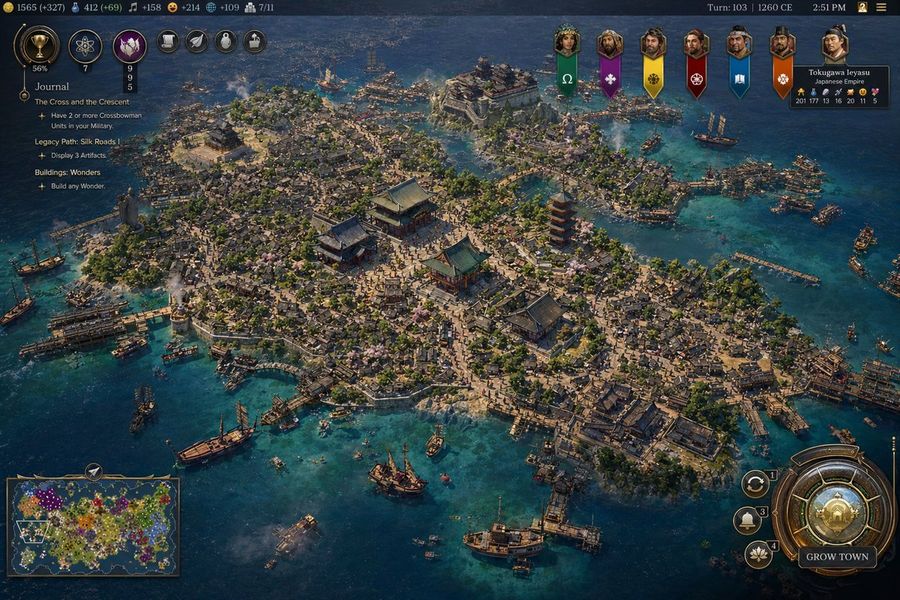
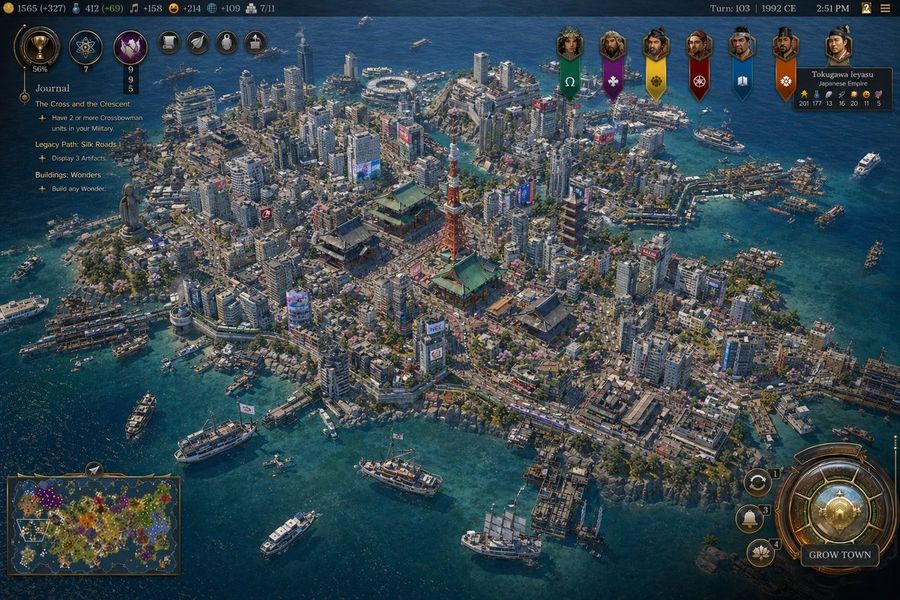
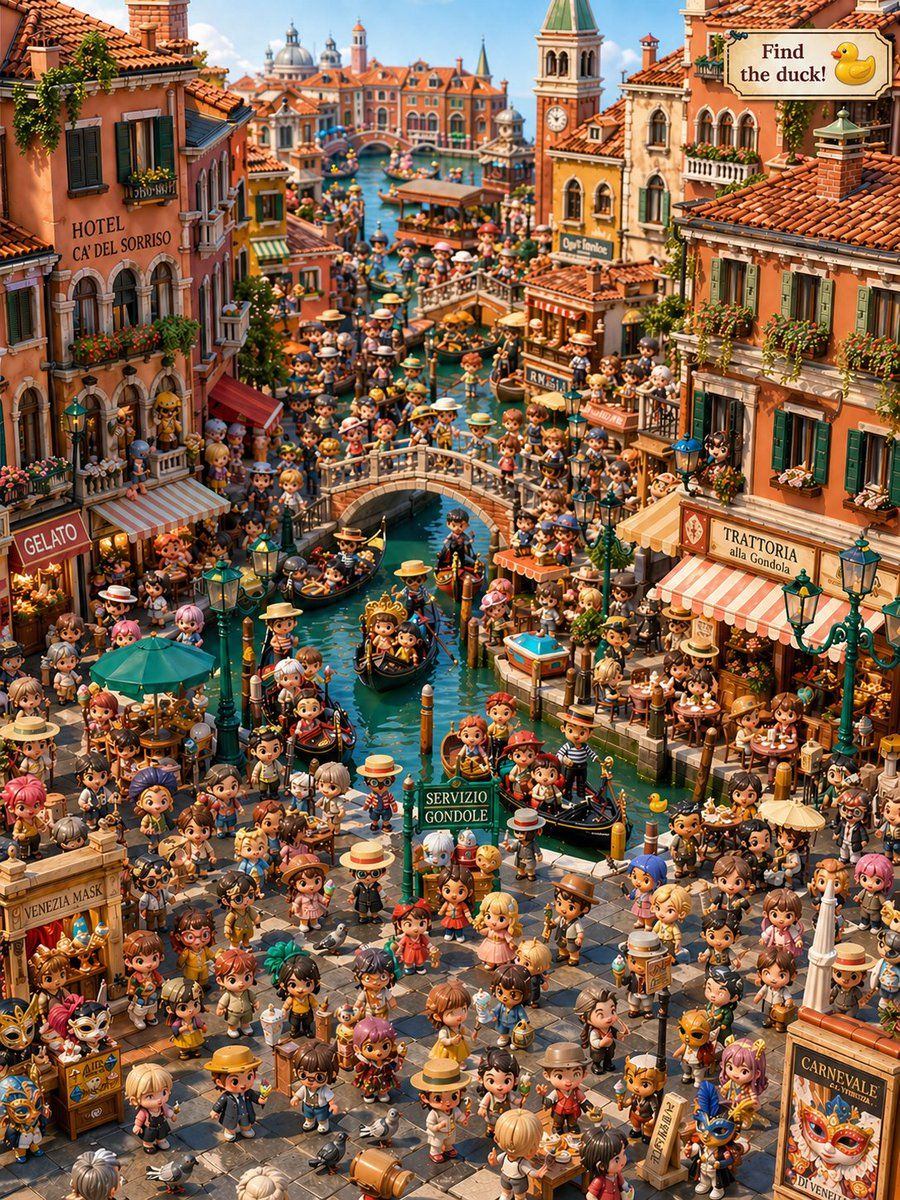
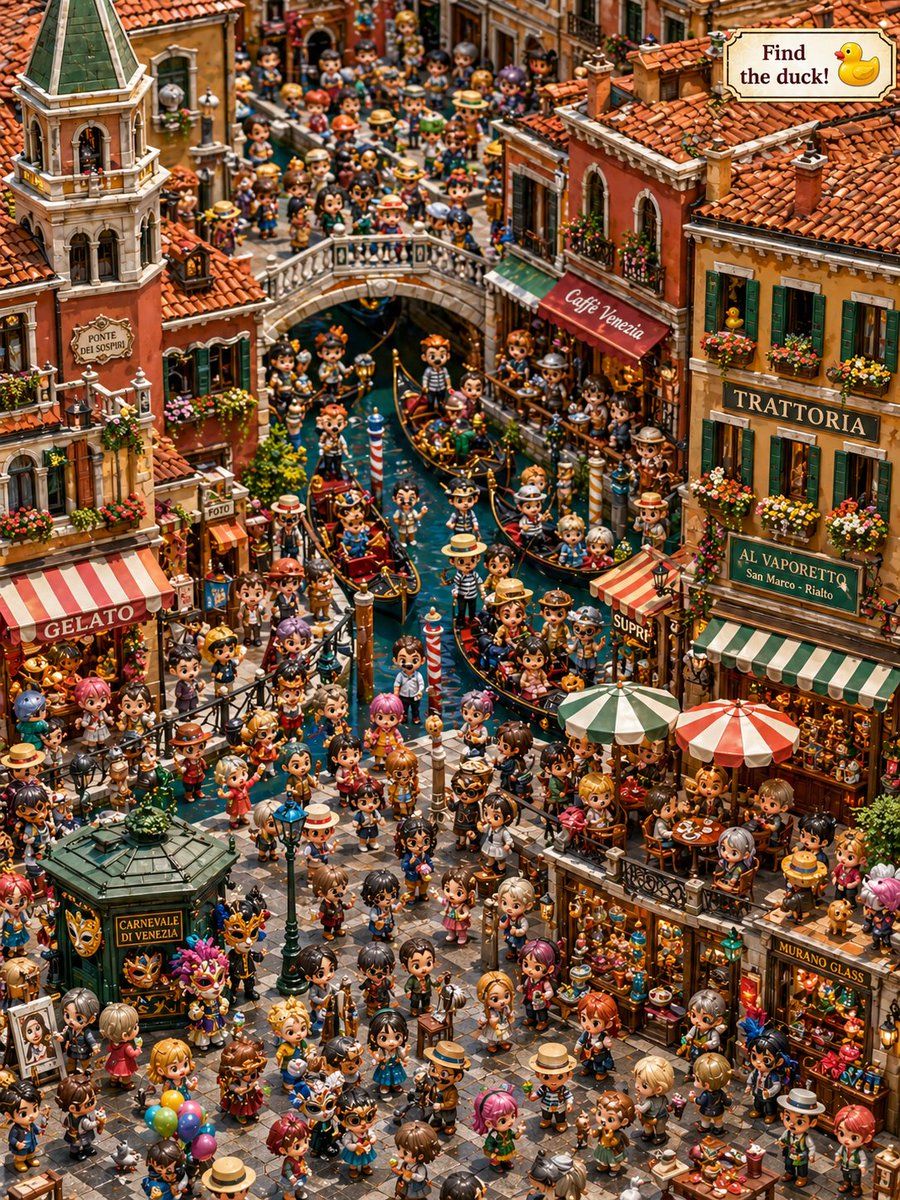


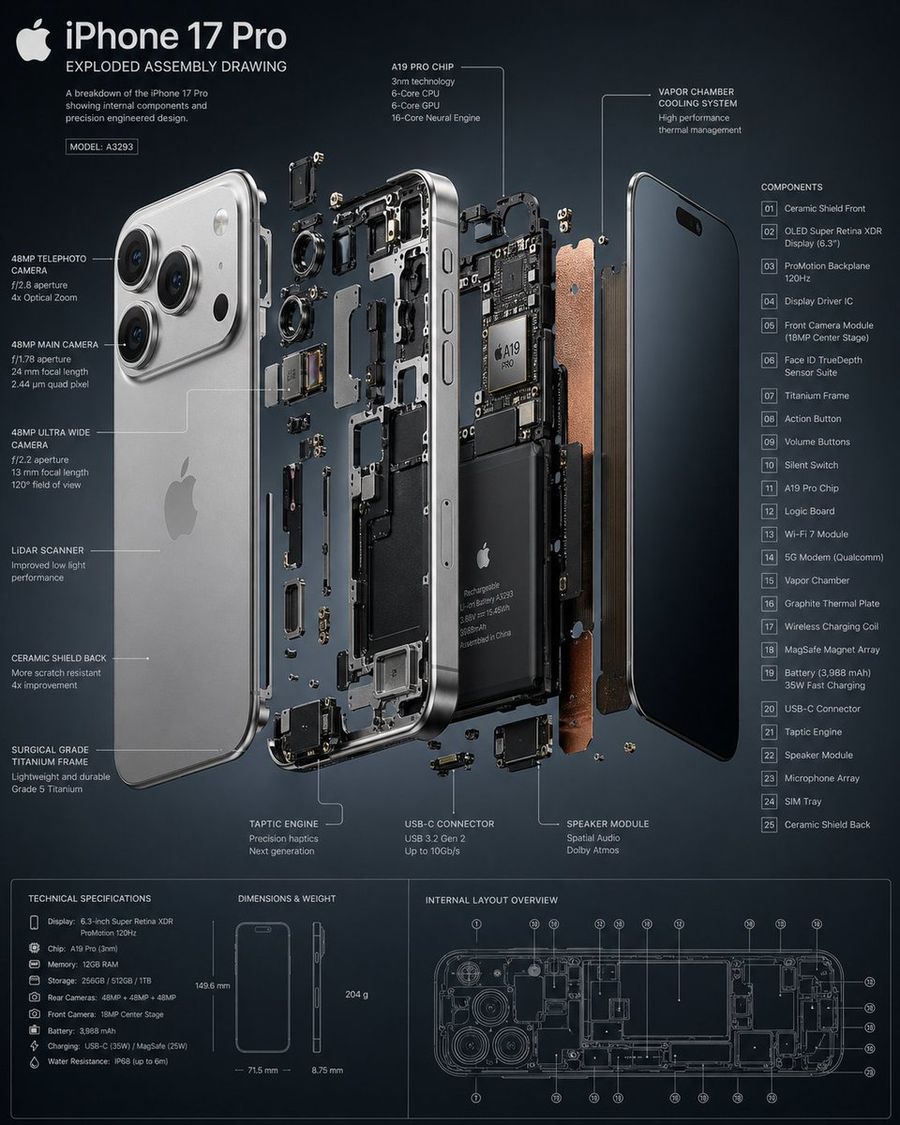
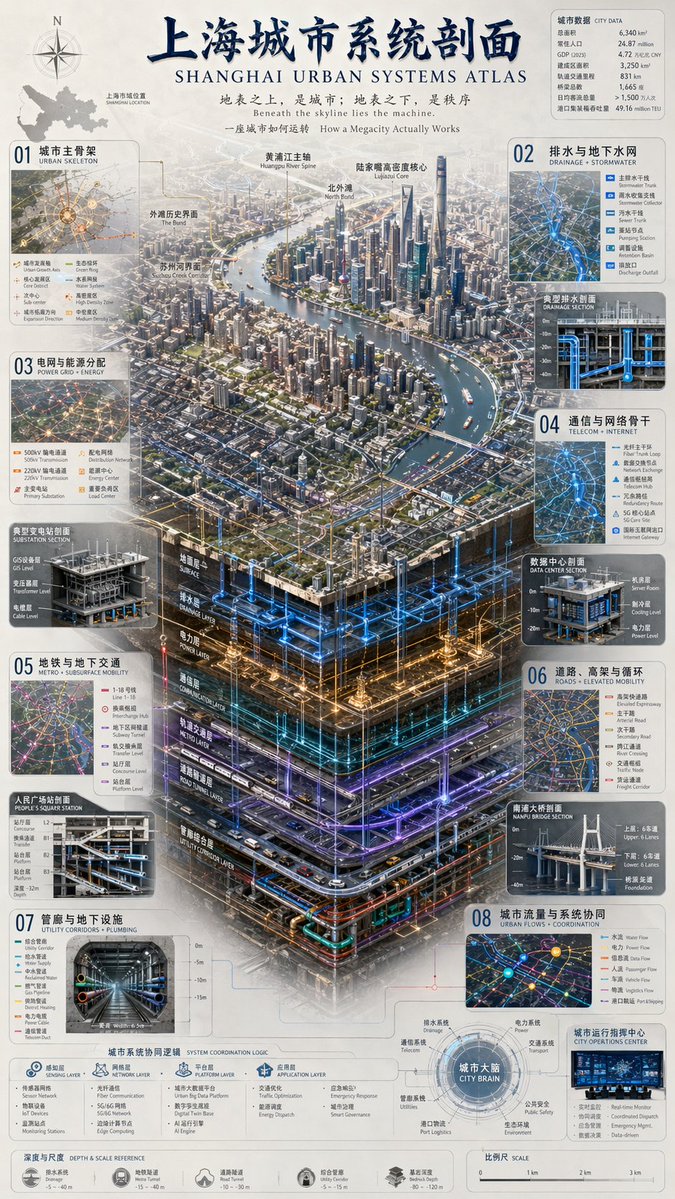
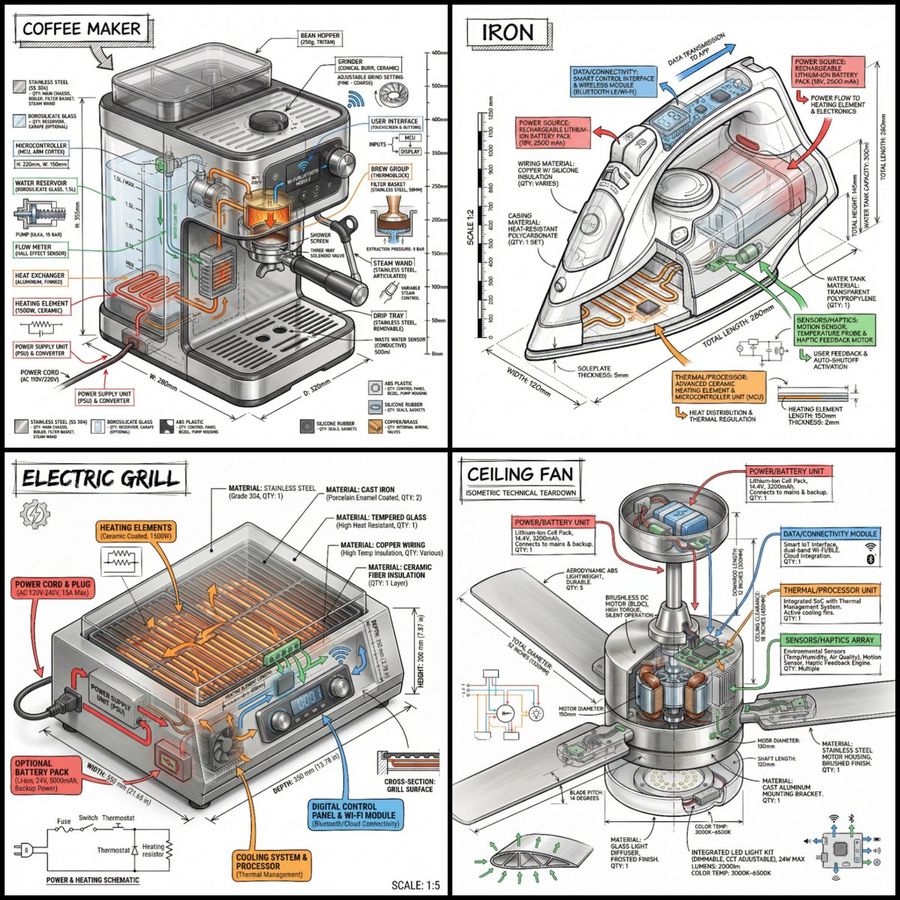
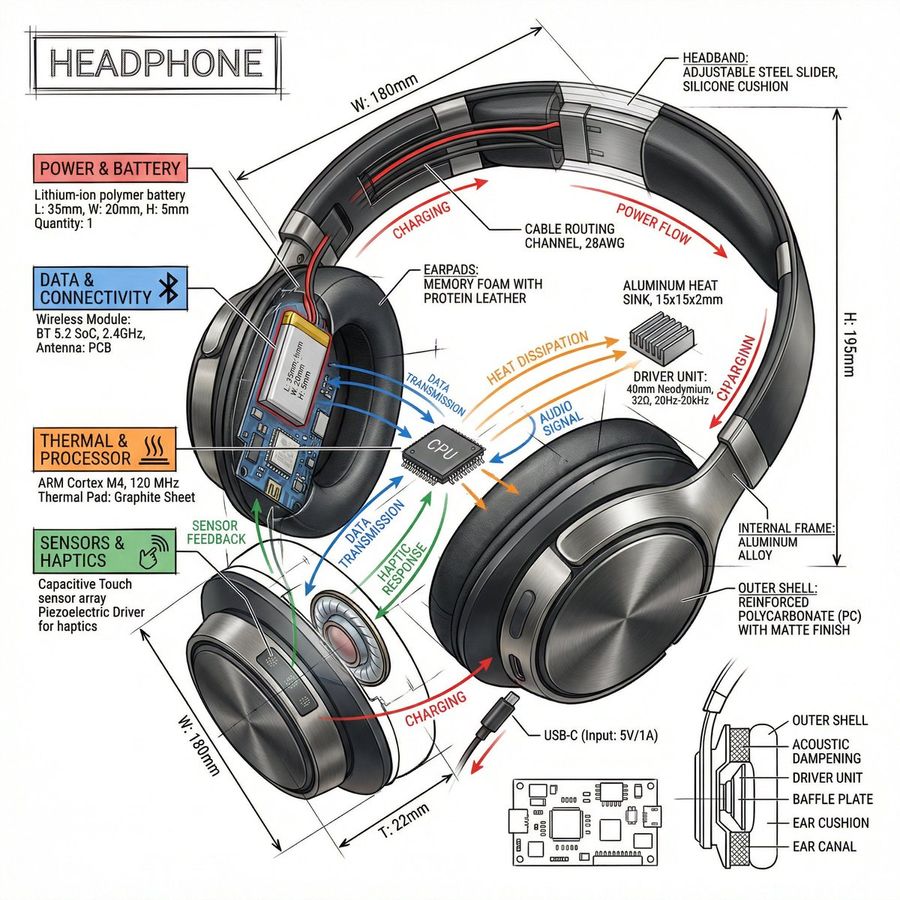
![Technical Infographic of [OBJECT NAME] with a 45-Degree Isometric 3D — Nano Banana Pro image prompt example](https://pub-c5e3d660d0a241c5895facb8ff762e97.r2.dev/media/youmind/nano-banana-pro-10754.jpg)



















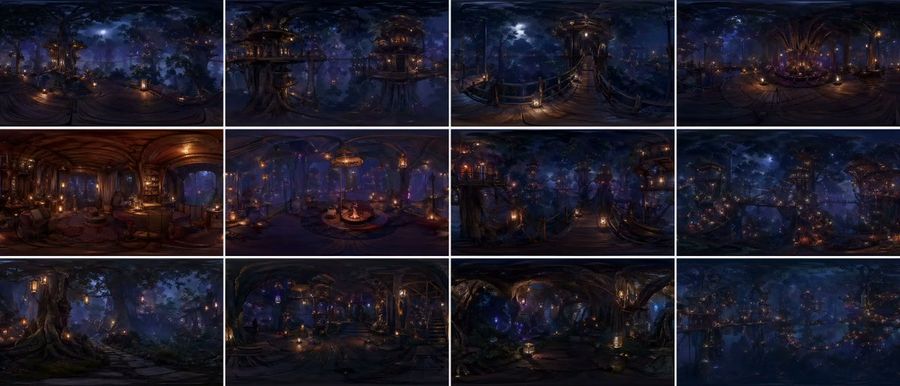
![360-Degree Panoramic Image + [Your Scene Description] — GPT Image 2 image prompt example](https://pub-c5e3d660d0a241c5895facb8ff762e97.r2.dev/media/youmind/gpt-image-2-14779.jpg)